 Se Habla Español
 Who Is Liable in a Rideshare Accident in California?
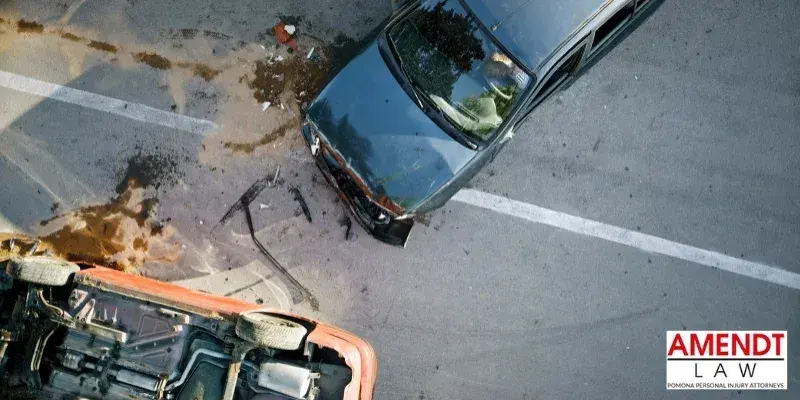
Getting hurt in an Uber or Lyft accident is disorienting. You trusted the app, you followed the rules, and now you’re dealing with injuries, missed work, and insurance companies that all seem to be pointing fingers at each other.
Figuring out who’s liable in a rideshare accident in California isn’t as simple as it is after a regular car crash. The answer depends on who caused the collision, what the driver’s app status was at the moment of impact, and how California law treats rideshare companies under recent legislation that took effect January 1, 2026.
The Law Offices of Christian J. Amendt has been helping injured Californians recover fair compensation for more than 24 years. If you were hurt in a rideshare accident in Pomona or the surrounding Inland Empire area, our rideshare accident legal team can help you sort through the liability questions and build a strong claim.
Key Takeaways
- Liability in a California rideshare accident depends on who caused the crash and what “period” the driver was in at the time.
- Rideshare drivers can be personally liable for negligent driving, and Uber or Lyft’s insurance policies kick in based on app status.
- Under Senate Bill 371 (SB 371), effective January 1, 2026, California reduced required UM/UIM coverage from $1 million to $60,000 per person, a critical shift for victims hit by uninsured drivers.
- Uber and Lyft can face direct liability if they negligently hire or retain a dangerous driver.
- You have two years from the date of the accident to file a personal injury lawsuit under California Code of Civil Procedure § 335.1.
If you’ve been hurt and aren’t sure where to start, speaking with a rideshare accident attorney early protects your claim before critical evidence disappears.
The Driver: Your First Target for Liability
When any driver causes an accident, they are personally liable for your injuries. This is true for rideshare accidents as well – whether you were a passenger in their vehicle, another driver on the road, or a pedestrian they struck.
California holds rideshare drivers to the legal standard of a “common carrier” under California Civil Code § 2100, which imposes a high duty of care toward passengers. That standard matters when you’re building a negligence claim. If the driver breached their duty and caused your injuries, the evidence trail starts with them. This includes looking at their driving history, their phone records, and their app activity at the time of the crash.
Don’t assume the driver will be cooperative or honest. Preserve everything: take photos of the scene, screenshot the app showing your ride status, and get the driver’s license and insurance information before you leave.
How the Rideshare Insurance Periods Change Everything
Period 0: App Is Off
If the driver’s app was completely off, the accident would be treated like any ordinary car crash. The driver’s personal auto insurance is the only policy in play. Uber and Lyft have no involvement and no insurance liability.
Period 1: App On, Waiting for a Ride Request
Once a driver logs into the app to wait for a passenger, California law requires limited contingent coverage from the rideshare company. This is typically $50,000 per person and $100,000 per accident for bodily injury. This only applies if the driver’s personal insurance denies the claim because the vehicle was in commercial use.
This is the coverage gap that catches a lot of victims off guard. The driver’s personal policy may deny coverage for commercial activity, and the rideshare company’s policy only steps in as a backup at lower limits.
Period 2 and Period 3: En Route and Carrying a Passenger
From the moment a driver accepts a ride request through the end of the trip, Uber and Lyft’s full $1 million third-party liability policy applies. So if you were a passenger during an active ride, or if a rideshare driver hit your vehicle while en route to pick someone up, that $1 million policy is the coverage source for injuries caused by the rideshare driver’s negligence.
This is where the most meaningful compensation comes from, but what happens when the at-fault driver isn’t the Uber or Lyft driver?
What California’s SB 371 Means for Your Claim
This is the legal change most people haven’t heard about, and it matters enormously.
Before January 1, 2026, California required Uber and Lyft to carry $1 million in uninsured and underinsured motorist (UM/UIM) coverage during active rides. That coverage protected passengers when a third-party driver, not the rideshare driver, caused the crash and didn’t have enough insurance to pay for the injuries.
Senate Bill 371 (SB 371), signed by Governor Newsom in October 2025 and effective January 1, 2026, slashed that requirement by roughly 70%. Rideshare companies must now carry only $60,000 per person and $300,000 per incident in UM/UIM coverage.
What didn’t change: the $1 million primary liability policy that applies when the rideshare driver is the at-fault party. That protection stays intact.
What did change: if you were a passenger in a Lyft, the Lyft driver wasn’t at fault, and the driver who hit you has no insurance — you now face a much tighter ceiling. In a state where a significant share of drivers carry minimum or no insurance, that’s a real problem for seriously injured passengers.
The practical result is that rideshare accident claims now require a more thorough insurance analysis at the outset. An experienced rideshare accident attorney can identify every layer of coverage, including your own UM/UIM policy, and build the strongest case for full compensation. Call The Law Offices of Christian J. Amendt at (909) 766-1994 for a free consultation.
What If Another Driver Caused the Accident?
If a third-party driver hit the rideshare vehicle you were riding in, they become the primary liable party. You’d file a claim against their insurance just as in any collision.
The complication arises when that driver is uninsured or underinsured, which is common in California. Before SB 371, you could rely on the rideshare company’s $1 million UM/UIM policy as a backstop. Under the new law, that backstop is now capped at $60,000 per person for active-ride accidents.
This makes your own personal auto insurance policy more important than it’s ever been. If you have UM/UIM coverage on your own policy, it can step in to help cover the gap. Review your own coverage now, before an accident happens.
Frequently Asked Questions
Can I be held liable as a passenger in a rideshare accident?
No. Passengers in Uber and Lyft vehicles are never found liable for rideshare accidents under California law. You’re a third party with no control over the vehicle, which means your focus is entirely on pursuing compensation from the at-fault parties.
Q: How long do I have to file a lawsuit after a rideshare accident in California?
You generally have two years from the date of the accident under California Code of Civil Procedure § 335.1. If a government entity is involved, like a city with dangerous road conditions, that window shrinks to six months for a government claim. Don’t wait; evidence fades, witnesses move on, and app data can be lost.
What if the rideshare driver had no rideshare insurance endorsement on their personal policy?
If a driver lied to their personal insurer about commercial use, their personal policy may deny the claim entirely, leaving you to rely on Uber or Lyft’s contingent coverage. This happens more often than people expect, especially during Period 1. A rideshare accident attorney knows how to navigate coverage disputes between the personal insurer and the TNC policy.
Do I need my own attorney, or can I just deal with Uber’s insurance directly?
While you can file a claim directly, we don’t recommend it. Initial offers from rideshare company insurers are typically far below the true value of a serious injury claim. An attorney costs nothing unless they recover compensation, and they’ll identify all available coverage layers, including your own UM/UIM policy, that adjusters won’t mention on their own.
The Law Offices of Christian J. Amendt: Your Rideshare Accident Law Firm
Rideshare accident liability in California got more complicated in 2026, and insurers know it. When you’re dealing with injuries, missed work, and a stack of medical bills, you shouldn’t also have to fight over which insurance period applies or what SB 371 does to your recovery ceiling.
At The Law Offices of Christian J. Amendt, we’ve spent more than 24 years going to bat for injured Californians in Pomona and across the Inland Empire. We know how to preserve app data, dispute period classifications, and find every layer of coverage available to you. Contact our firm today at (909) 766-1994 for a free consultation.
Legal Awards & Memberships






Office Location
363 S. Park Ave., Suite 300
Pomona, CA 91766

© Copyright 2026 The Law Offices of Christian J. Amendt
All rights reserved.Disclaimer | Site Map | Privacy Policy
Digital Marketing By 
*Images are obtained under license from Canva and other third-party stock image providers, with attribution included where required.